
Introduction
On October 10, 2025, I joined 400+ project professionals at the PMI BeNeLux Summit in MECC Maastricht. The theme “Project Management in the AI Era: Bridging Precision, Creativity and Innovation” framed a day of keynotes and hallway conversations that all pointing to the same reality: hybrid delivery and AI are transforming how we lead projects and create value.
Hybrid Project Management: The Best of Both Worlds
For years, our debates pitted classic against agile. The more useful question now is where and how to combine them. In his keynote, Bart Briers made a compelling case for a pragmatic hybrid future that blends adaptability with structure. This is exactly what today’s VUCA (Volatility, Uncertainty, Complexity, Ambiguity) and BANI (Brittle, Anxious, Non-linear, Incomprehensible) environment demands: adaptability without losing structure.
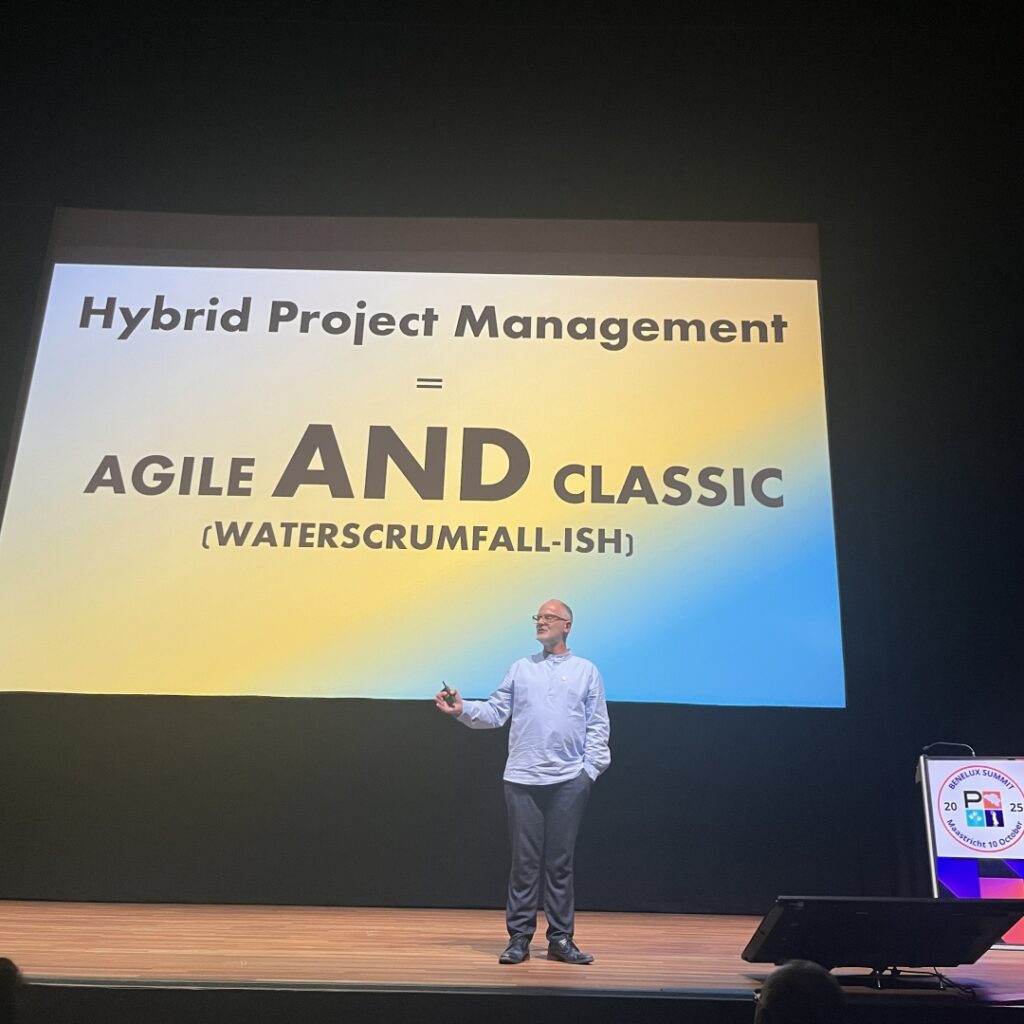
- Know your ecosystem: choose classic, agile, or hybrid by context, not ideology.
- Simplify to amplify: tailor your ways of working to your organization.
- Start small, seed champions, scale on early wins, and keep an agile mindset even when a classic methodology is needed.
AI in Project Management: From Hype to Daily Impact
The keynotes by Christian Kromme and Christina Sejr Pedersen reinforced a core message: AI augments people. It can accelerate execution and sharpen decisions, but the human side remains the differentiator. This human aspect is about purpose, ethics, empathy, and most of all leadership
Three ways AI is already changing PM (from my notebook):
- Advanced automation → efficiency (e.g., meeting notes, reporting, schedule updates).
- Detailed insights → action (e.g., analytics that surface what matters, when it matters).
- Extended prediction → effectiveness (e.g., scenario modeling and risk forecasting).
From what I’ve seen in practice it’s not technology that drives change, but human need and behavior. AI amplifies (including, sometimes, our stupidity).
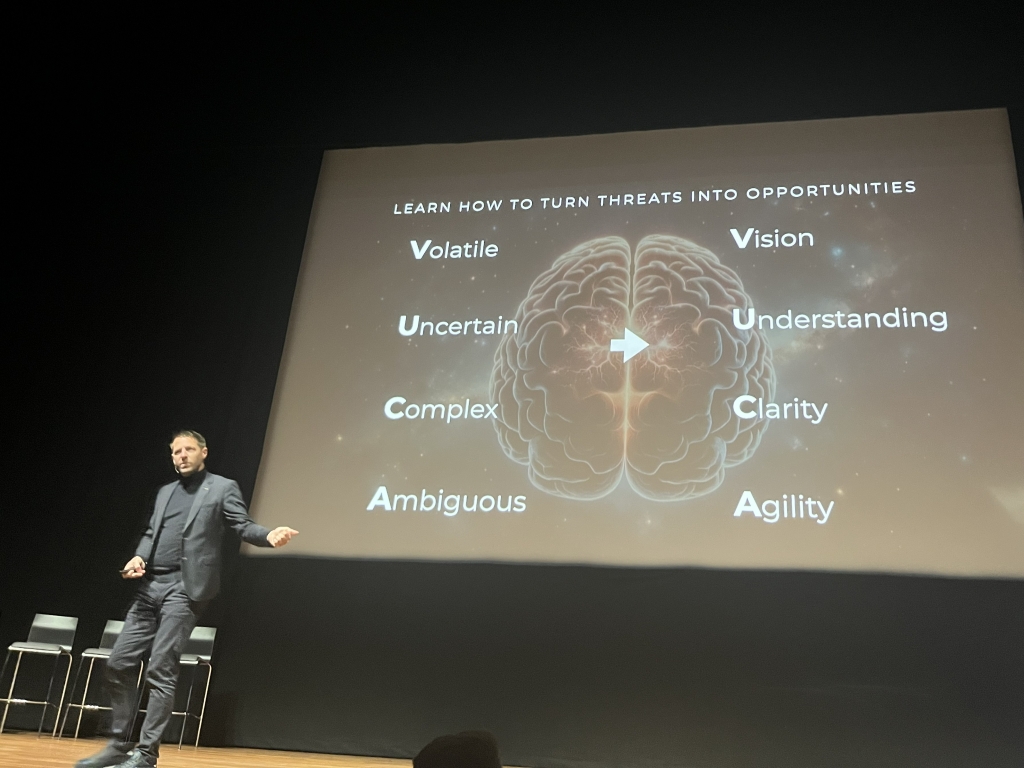
Whether AI is a threat or an opportunity depends on your mindset.
Hybrid + AI in practice: How it could look like
The program featured workshops across tracks illustrating how to operationalize AI: This went from no‑code reporting automation to portfolio-level transformation and how hybrid thinking & delivery underpins all of it.
Three concrete scenarios:
- Construction
- Hybrid: classic for regulatory/design milestones; agile for client-driven design changes.
- AI: scheduling tools that account for weather, resource constraints, and lead times to anticipate delays and re-optimize.
- Regulated software
- Hybrid: agile sprints for features; classic for compliance and validation gates.
- AI: code quality/vulnerability checks and test selection to cut risk and cycle time.
- Pharma & biotech delivery (my notes inspired by the Master track)
- Hybrid: agile for exploratory work; classic for regulatory submissions.
- AI: signal detection, trial analytics, scenario modelling.
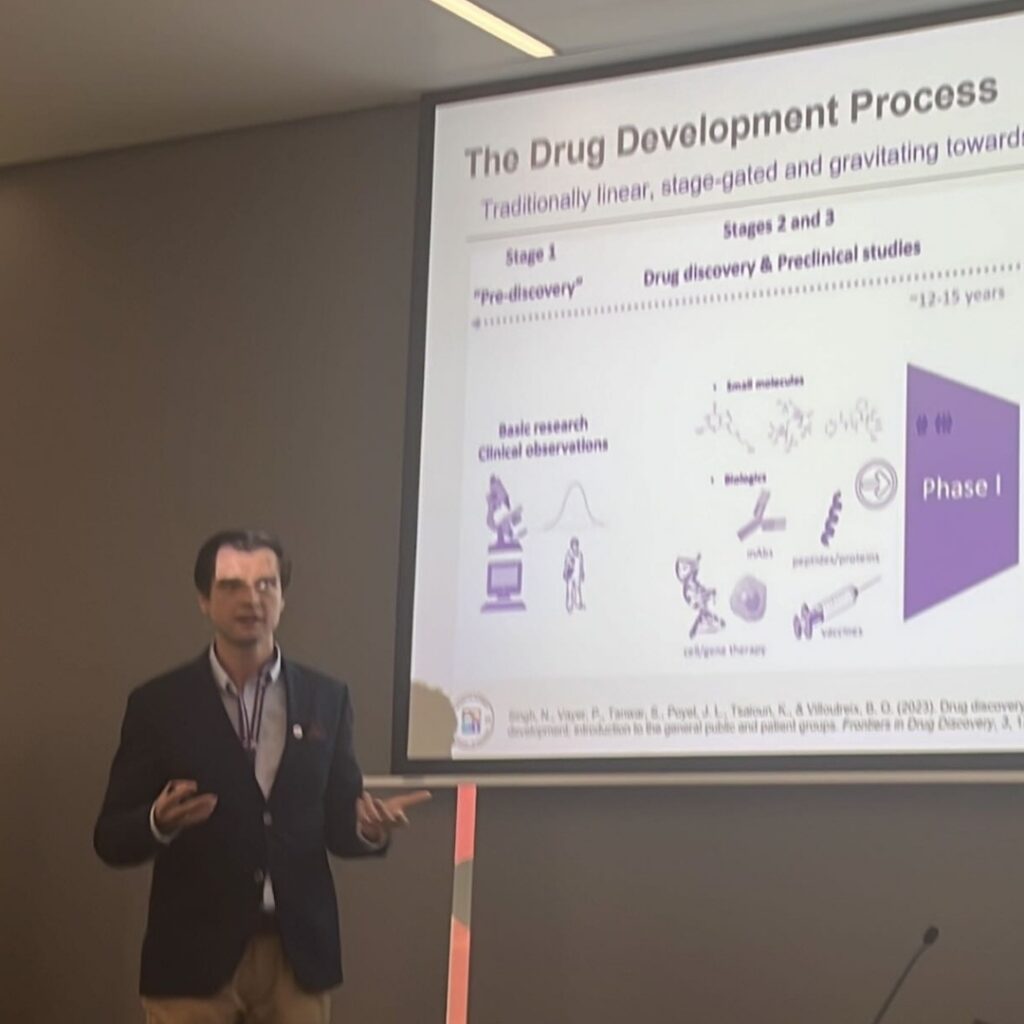
Kamil Mroz presented the realities of highly regulated environments where hybrid is essential.
How to Thrive with AI: Mindset + Moves
Mindset first: be curious and experiment, because AI is more than genAI and chat interfaces.
Then move beyond:
- Automate or replace repetitive team tasks like meeting minutes, document creation, status reporting and summarization.
- Prefer specialized PM tools with embedded AI and keep an eye on agentic AI.
- Don’t stall at POC, but define value hypotheses, metrics, and scale what works.
- Stay agile and resilient, because this confidence in uncertainty is a competitive edge.
- Invest in human skills like empathy, ethics, integrity, curiosity, relationships and compassion.
Where to start (a practical menu):
- Everyday AI: minutes, documentation, status, summaries.
- Scope & change: impact analysis; generate options, scenarios, solution ideas.
- (Re)prioritization: backlog triage with criteria you trust.
- Scheduling & resources: optimize with large data sets (knowledge graphs); incorporate sentiment signals (e.g., morale risks) into plans.
- Risk: use AI as sparring partner for risk identification, what‑ifs, and stakeholder simulations.
Entrepreneurship x Project Management
One session I especially appreciated was Pat Lucey’s Innovate, Execute, Lead – Bridging Entrepreneurship and Project Management. He traced the journey from project manager to entrepreneur and mapped the overlapping traits, toolkits, and disciplines needed to scale impact. Surprisingly, the skills overlap whether you’re launching a startup or managing a complex project.
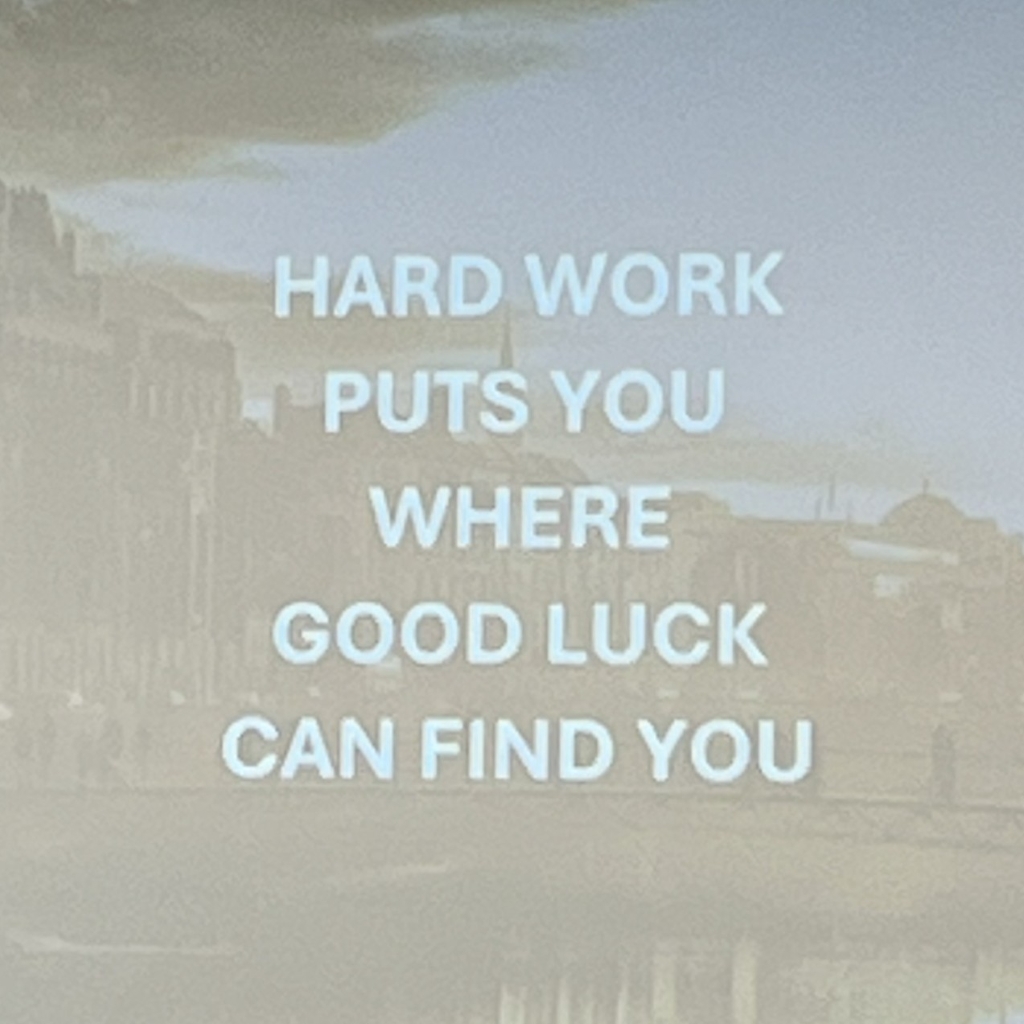
My distilled takeaways from the entrepreneurship lens:
- Same core skills: prioritization, risk, stakeholder value, disciplined execution.
- Startup truths: you’ll lack control, others will have great ideas, you’ll learn (often via failure) and you can still pursue purpose and create value for people, profit, and planet.
- Luck matters, but “hard work puts you where luck can find you.”
- Advice that sticks:
- Be a giver: in networking and collaboration. Ask “What can I do for you?”.
- Be authentic (think trust equation).
- Be resilient: express confidence, optimism, and service to others.
- Build complementary teams: “if you want to go fast, go alone. If you want to go far, go together.”
- Build a network: “your network = your net worth.”
- Build a risk culture: as an entrepreneur embrace risk; as a PM manage it.
- Skills to succeed now: AI, hybrid delivery, social impact, transformation, and human ‘power skills’.
These lessons echo PMI’s emphasis on maximizing project success and scaling with principles you can apply in ventures and projects.
The Human Side of the Future
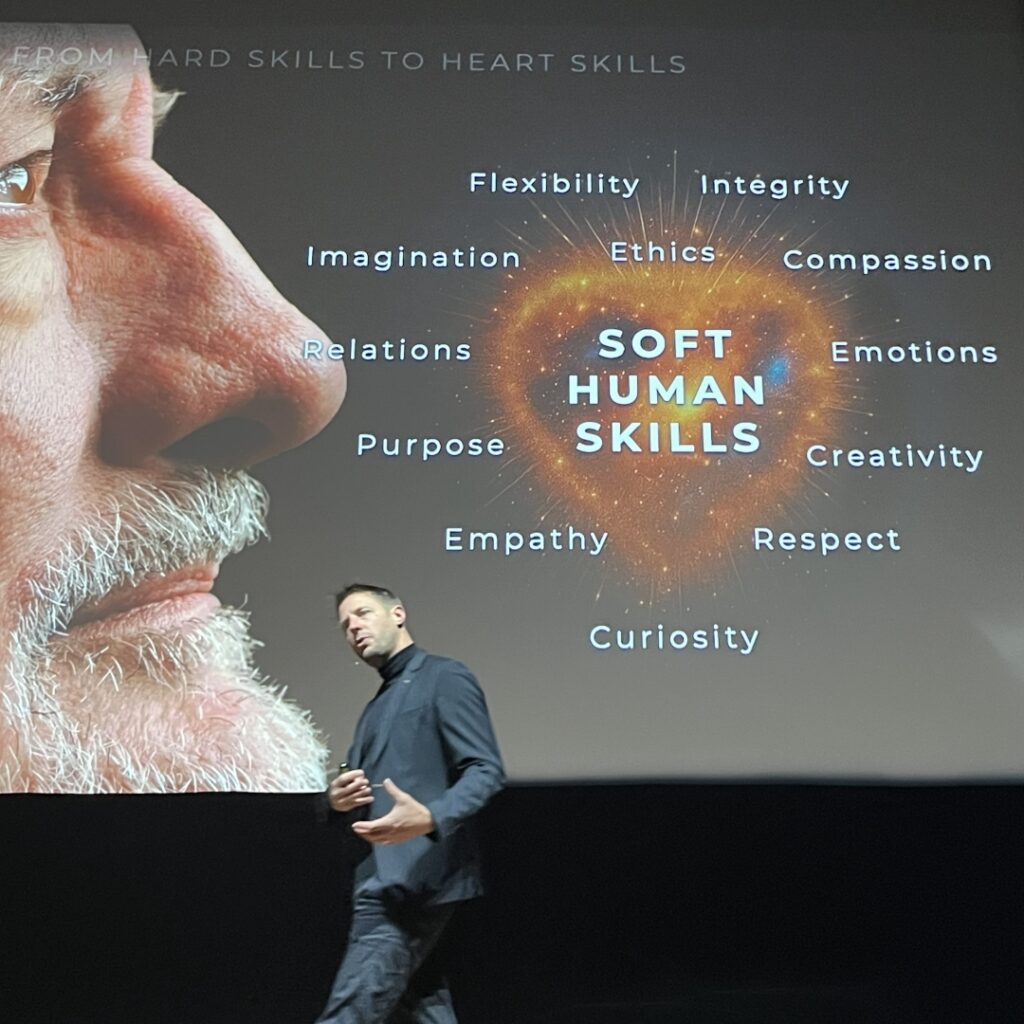
A recurring motif across the day: speed of change is increasing. You could say that a tidal wave is coming. Whether this is threat or opportunity depends on your mindset. Technology is not the driver, but human need and behaviour are. As we scale new S-curves, organizations that put people at the center will adapt fastest and survive.
Design principles I noted:
- Self‑organizing ecosystems: Think about an orchestra that has autonomy with alignment.
- Focus on flexibility & fluidity, inspiration & learning, exploration & curiosity, purpose & meaning.
- Aim for flow (for people, teams, organizations) as the opposite of stress.
We’re at a tipping point, so now is the time to double down on human skills.
Project Management: From Processes to Principles & Leadership
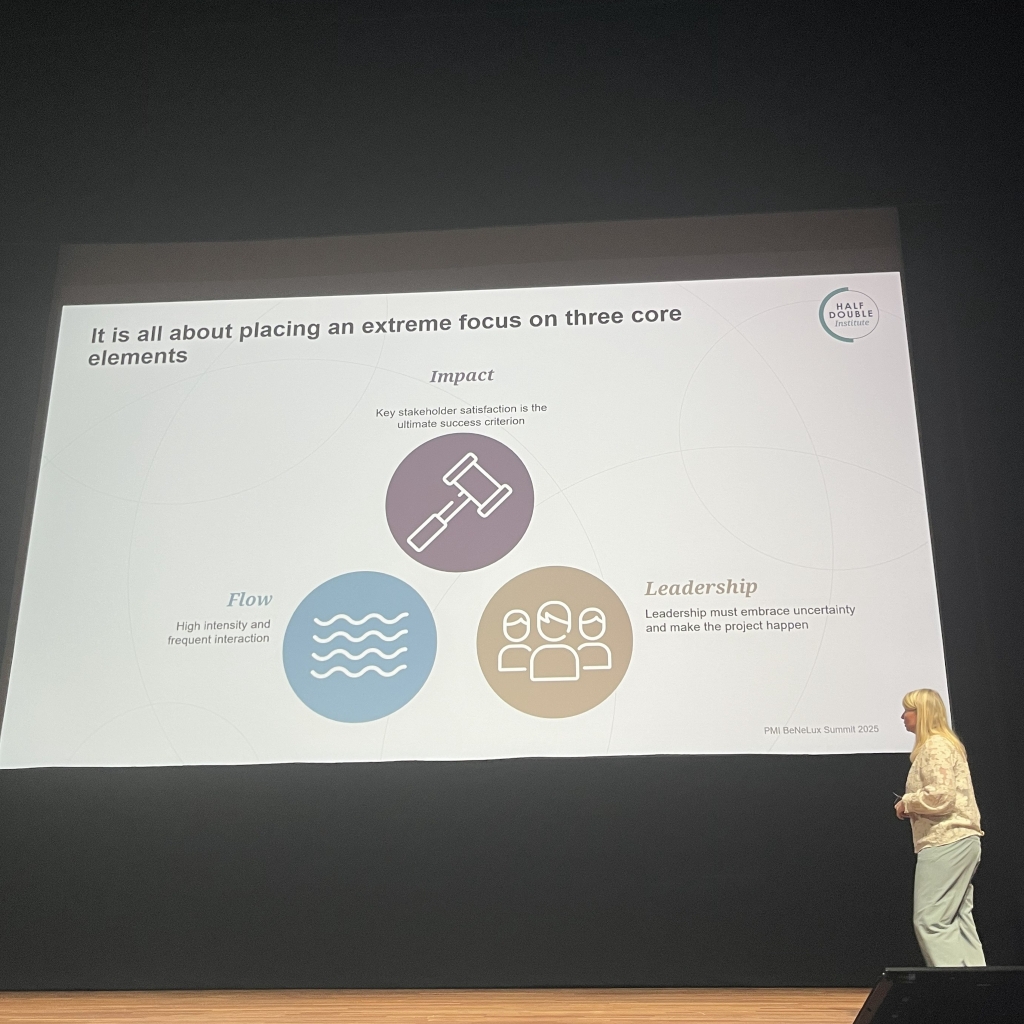
Common sense isn’t common, so make it explicit:
- Impact: outcomes over outputs.
- Leadership: set priorities and focus.
- Flow: high intensity, frequent interaction.
The PM profession continues to shift from process‑based to principle‑based—and in the AI era that means evolving from project management to project leadership, centered on purpose, culture, and ethics.
Speaker Highlights
- Bart Briers – The Future is Hybrid: a context-driven, people-first stance on blending classic and agile.
- Christian Kromme – futurist perspective on AI’s trajectory, with a human-centered “stay human” imperative.
- Christina Sejr Pedersen – AI with people: leadership, empathy, adaptability alongside AI-driven efficiency
- Pat Lucey – entrepreneurship and PM are siblings: innovate, execute, and lead with the same core capabilities.
- Kamil Mroz – Insights to hybrid delivery in regulated settings.
Bringing It to the Classroom
For my lecture Odisee, I’ll translate these insights into hands-on learning:
- Hybrid fundamentals: A solid basis of classic project management methodology to combine and tailor it with agile for a hybrid approach.
- Everyday AI in PM: Practical advice for project managers.
Principles over processes: Leadership behaviors that unlock impact and flow.
Closing Thoughts
The future of our profession is hybrid, AI‑driven and human‑led. I left Maastricht energized and ready to keep the conversation going in the classroom and with peers across the industry.
References
- Summit theme, date, location and program overview: Home, Event Program
- Speakers & tracks: Keynote Speakers, Speakers & Tracks
- Bart Briers: The Future is Hybrid – A Vision for Modern Project Management
- Christian Kromme: The future of AI
- Christina Sejr Pedersen: How AI and People can co-exist in project management
- Pat Lucey: Innovate, Execute, Lead Bridging Entrepreneurship and Project Management
- Kamil Mroz: Agile in Drug Development